Kraków sightseeing encompasses exploring its remarkably preserved medieval Old Town, visiting the majestic Wawel Castle and Cathedral, and reflecting on history at the former Jewish quarter of Kazimierz.
Kraków boasts a diverse museum scene that encompasses Polish and international art, as well as rich medieval and modern history, and specific subjects such as WWII history, Jewish heritage, and the Soviet occupation.
Kraków offers a mix of traditional Polish cuisine, local fruit and herb liqueurs, vodka and beer culture, and a lively modern scene featuring international restaurants and street food.
Kraków's year-round calendar is packed with a range of events, from traditional Christmas and Easter markets to historical celebrations like the Lajkonik Parade and Wianki
Kraków's year-round calendar is packed with a range of events, from traditional Christmas and Easter markets to historical celebrations like the Lajkonik Parade and Wianki
Kraków's year-round calendar is packed with a range of events, from traditional Christmas and Easter markets to historical celebrations like the Lajkonik Parade and Wianki
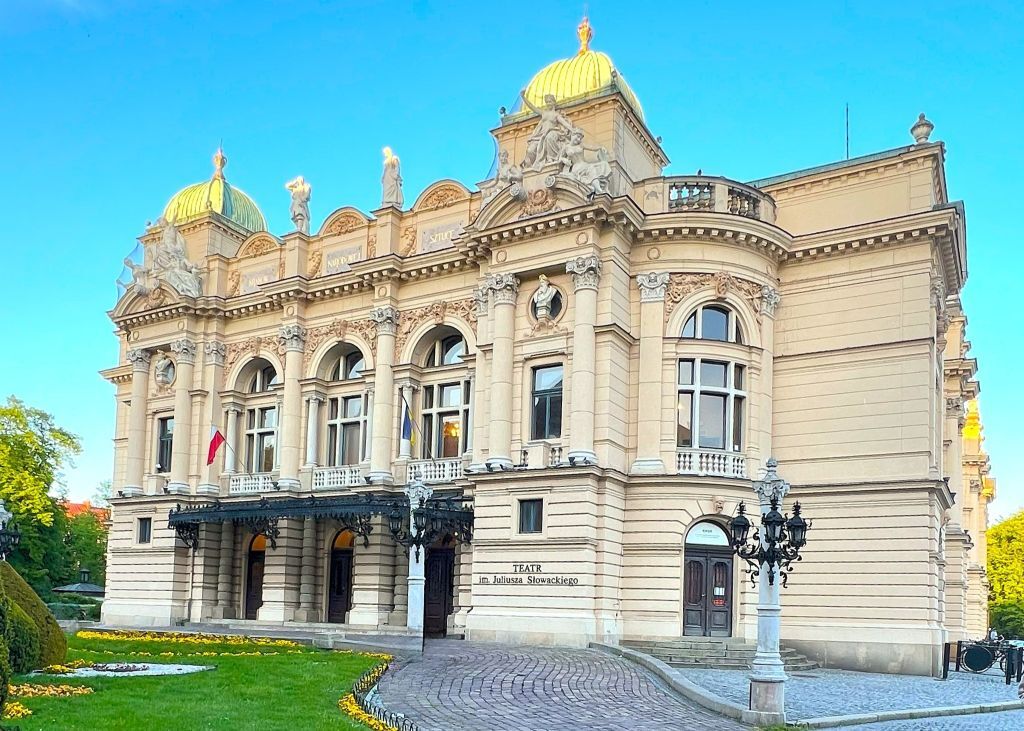
A well-preserved historical core of the former Polish capital, Kraków’s Old Town is famed for its perfectly planned medieval grid and encircled by the green belt of Planty Park, which replaced the old defensive walls. At its heart lies the vast Main Market Square—one of Europe’s largest—adorned with landmarks such as St. Mary’s Basilica, the Cloth Hall, and the Town Hall Tower. Known locally as Stare Miasto, the district also embraces the historic Jagiellonian University, one of Europe’s oldest centers of learning, whose Collegium Maius recalls centuries of scholarly tradition. Cobblestone streets, ornate churches, intimate courtyards, and artisan shops housed in centuries-old townhouses complete the cityscape, accompanied by the resonant sound of church bells and the lively music of street performers.

Kraków’s Main Market Square (Rynek Główny) is the vibrant heart of the Old Town and one of Europe’s largest and most beautiful medieval squares. Established in 1257, it has long been a center for trade, ceremonies, and public life. The square is dominated by the Renaissance Cloth Hall and the Gothic spires of St. Mary’s Basilica. It is surrounded by elegant townhouses, museums, and cafés that come alive from morning until late at night. Beneath its cobblestones lies centuries of history, including an underground museum that showcases medieval foundations.

Wawel Hill is the most historically and culturally significant site in Poland. This limestone bluff overlooks the Vistula River in Kraków and has been a center of power and settlement since the Paleolithic era. At its center stands the magnificent Wawel Royal Castle, which was the former residence of Polish monarchs, along with the Wawel Cathedral. The cathedral serves as the spiritual heart of the nation and is the coronation and burial site for kings and national heroes. The Wawel complex is a powerful symbol of Polish statehood and showcases architectural evolution through various styles, including Romanesque, Gothic, Renaissance, and Baroque. It is also famously known as the legendary lair of the Wawel Dragon.

Once a separate town and later a thriving Jewish quarter, Kazimierz is today one of Kraków’s most atmospheric districts, where layers of history blend seamlessly with a bohemian spirit. Founded in the 14th century by King Casimir the Great, it flourished as a place of coexistence between Christian and Jewish communities for centuries, leaving behind a rich tapestry of synagogues, churches, and narrow cobbled lanes. Restored after years of neglect, Kazimierz now exudes creative energy with its art galleries, vintage shops, and intimate cafés set in former workshops and tenements. Its lively squares, such as Plac Nowy, host markets and festivals that celebrate Kraków’s cultural diversity, making the district a soulful mosaic of memory, resilience, and revival.
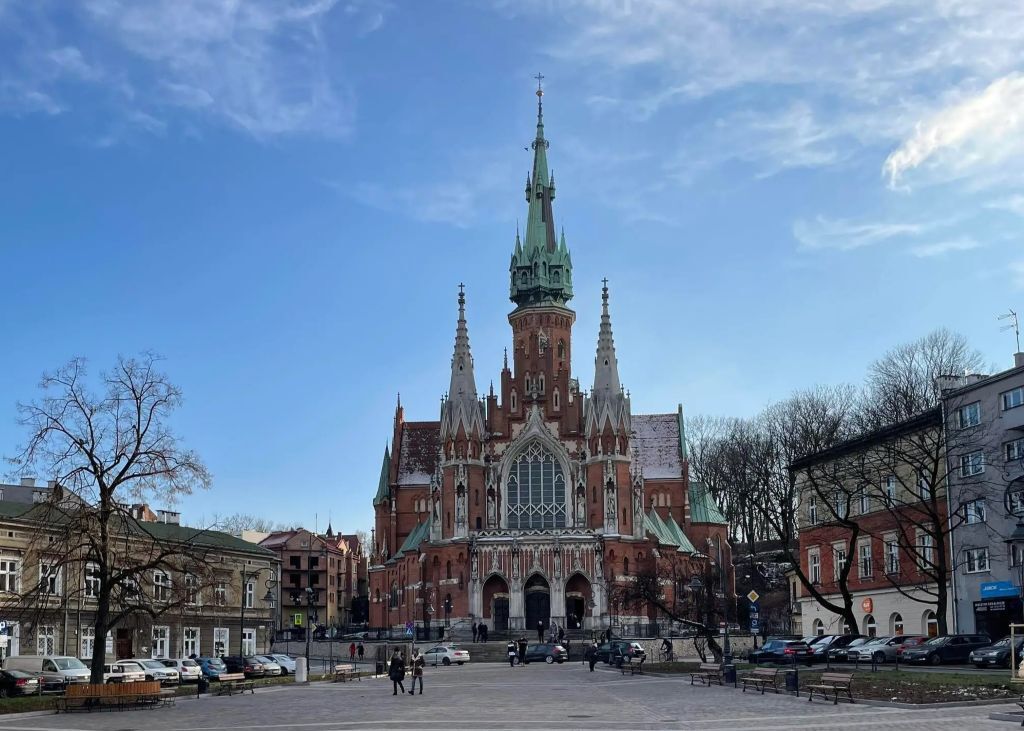
Once an independent city across the Vistula River from Kraków, Podgórze is a district rich in poignant history and quiet revival. Established in the late 18th century, it became tragically known during World War II as the site of the Jewish Ghetto and the nearby Schindler’s Factory, now a powerful museum. Among its key landmarks are Ghetto Heroes Square and the magnificent Neo-Gothic St. Joseph’s Church, both well worth visiting. The Father Bernatek Footbridge, adorned with striking acrobatic sculptures, links Podgórze with the Kazimierz district and offers the most scenic route to explore its attractions.

Nowa Huta, conceived in the late 1940s as a model socialist city, presents a striking contrast to the medieval charm of Kraków. With its grand avenues, monumental architecture, and carefully planned urban layout, it was built to support the nearby steelworks and reflect the ideals of post-war industrial progress. Over time, however, it evolved into a vibrant residential district with a strong local identity. Today, visitors can explore its wide boulevards, impressive Socialist Realist buildings, and lush parks, as well as cultural landmarks like the Lord’s Ark Church—an enduring symbol of spiritual resistance during the communist era.
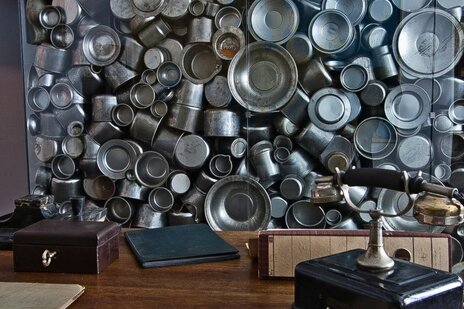
Museums that preserve Kraków’s past, from royal heritage and everyday life to wartime memory.
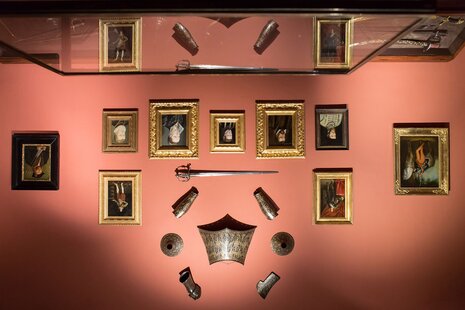
Krakow institutions celebrating creativity across the centuries, from Renaissance masters to modern installations.
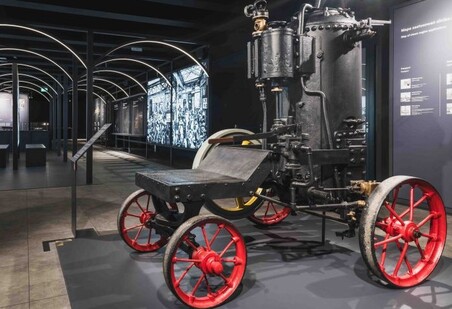
Kraków museums that highlight innovation, discovery, and the intersection of art and science.
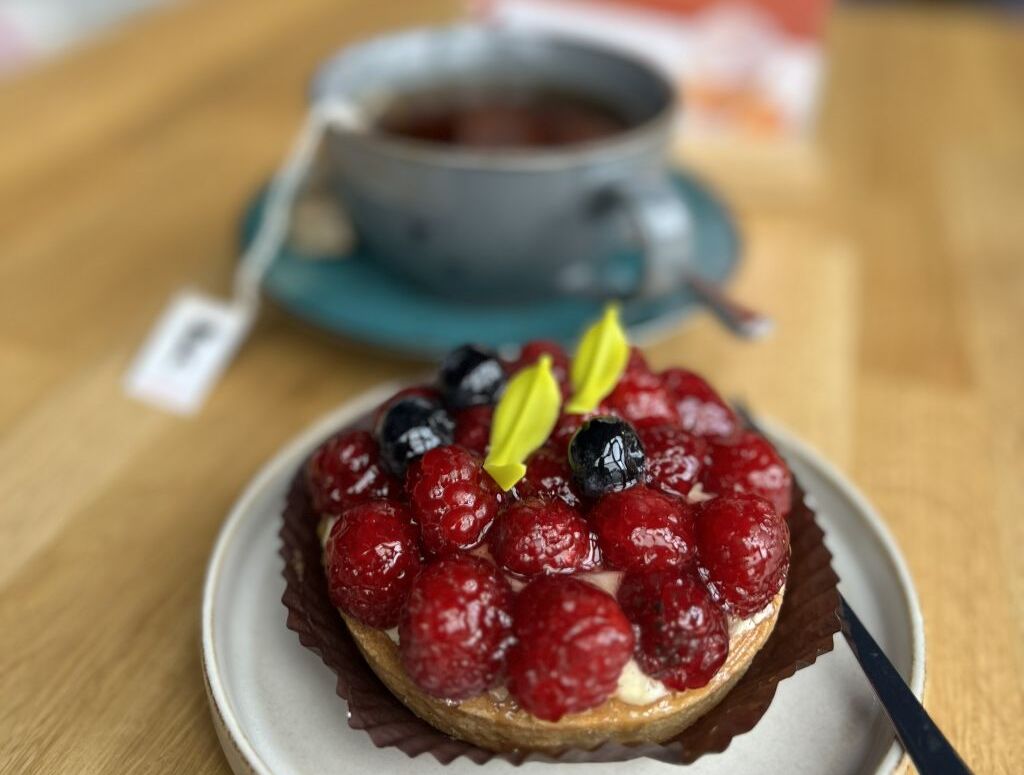
From elegant historic coffeehouses to cozy modern roasteries, Kraków’s cafés invite you to linger over expertly brewed coffee and homemade pastries in atmospheres that blend tradition with creative flair.
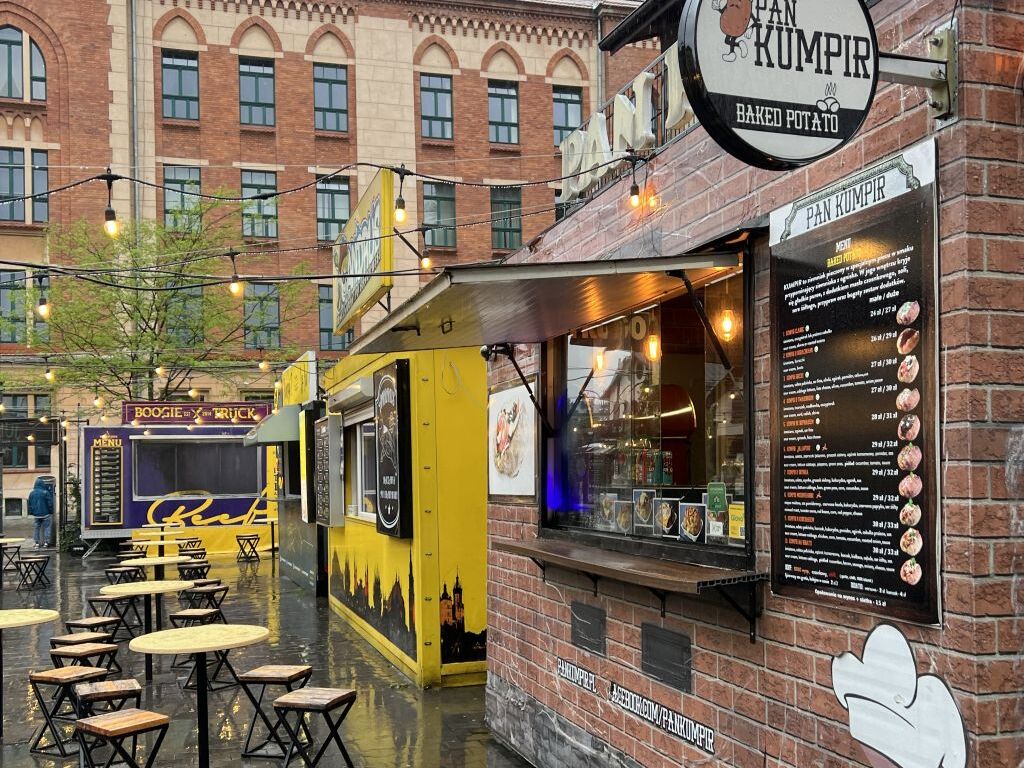
Kraków’s street food scene offers quick, flavorful bites such as zapiekanki, obwarzanki, and smoked oscypek, perfect for sampling local flavors while exploring the city’s lively streets.
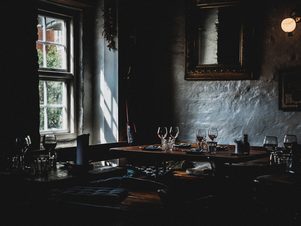
Serving hearty classics like pierogi, żurek, and bigos, Kraków’s Polish restaurants celebrate the country’s rich culinary heritage with warm hospitality and a touch of nostalgia.

From atmospheric cellar taverns to trendy craft beer spots, Kraków’s bars and pubs pulse with nightlife energy, offering the perfect setting to unwind and experience the city’s social spirit.
Wieliczka Salt Mine
A UNESCO-listed labyrinth of underground chambers, chapels, and salt sculptures carved deep into the earth since the 13th century.
Auschwitz-Birkenau Memorial and Museum (Oświęcim)
A solemn and deeply moving site preserving the remains of the Nazi concentration and extermination camp as a reminder of the horrors of the Holocaust.
Zakopane & Tatra Mountains
Poland’s winter capital is nestled at the foot of the Tatras, offering breathtaking mountain views, wooden architecture, and vibrant highlander culture.
Ojców National Park
The smallest national park in Poland, renowned for its limestone cliffs, caves, and fairytale castles, such as Pieskowa Skała, is situated above the Prądnik Valley.
Wadowice
The hometown of Pope John Paul II, where visitors can explore his family home museum and sample the famous “kremówki” cream cakes he loved.
Tyniec Abbey
A peaceful Benedictine monastery overlooking the Vistula River, famed for its medieval architecture and monastic traditions dating back to the 11th century.
Częstochowa (Jasna Góra Monastery)
Poland’s most important pilgrimage site is home to the revered Black Madonna icon, a national symbol of faith and resilience.
Nowa Huta
A fascinating planned socialist city built after World War II, showcasing monumental communist architecture and the ideals of postwar utopian urbanism.
Cloth Hall (Sukiennice) – the city’s historic marketplace at the heart of the Old Town, ideal for traditional souvenirs such as amber jewelry, woodcarvings, and folk crafts.
Grodska and Floriańska Streets – lively pedestrian avenues lined with small boutiques, art galleries, and Polish designer stores.
Kazimierz District – great for vintage finds, handmade accessories, vinyl records, and quirky concept shops tucked into old courtyards.
Galeria Krakowska – a modern shopping mall next to the main railway station, featuring international brands, cafés, and a large food court.
Local markets – don’t miss Stary Kleparz for fresh local food products, flowers, and seasonal Polish specialties.
Hala Targowa is an excellent hipster spot for shopping, a real flea market with a wide variety of unique items. Although not many tourists visit here, the place is a favorite among the locals.
❄️ Winter Warmers (December – February)
Winter in Kraków is magical, dominated by the scent of mulled wine and the glow of countless lights.
December/January: The Christmas Market (one of Europe’s finest!) takes over the Main Square. Don't miss the unique Nativity Scenes Contest (Szopki), where artisans display incredible, glittering miniature creches based on Kraków's architecture.
February: Trade your snow boots for sailor shoes at the International Sea Songs Festival (Shanties)—one of the largest sea shanty festivals in the world!
🌷 Spring Awakening (March – May)
As the ice melts, the city bursts into a cultural revival with music, film, and ancient traditions.
March/April: Misteria Paschalia Festival is a must for classical music lovers, showcasing world-class early music during Easter week. Easter itself brings traditional fairs like the Emaus and Rękawka.
May: The city turns over to the students during Juwenalia, a lively three-day festival of concerts, parades, and general revelry. Culture vultures get their fill with the Night of Museums, offering late-night free entry, and the respected Krakow Film Festival (KFF) for shorts and documentaries.
☀️ Summer Spectacle (June – August)
Summer is peak festival season, with the biggest and most unique events taking place along the Vistula River and in the historic districts.
May/June: Look to the sky for the Great Dragon Parade along the Vistula! Weeks later, watch for the colorful Lajkonik Parade (a Tatar horseman) bringing good luck to the city during Corpus Christi.
June: Celebrate midsummer with Wianki (Floating of the Wreaths)—a vast concert and event on the riverbank. Head to Kazimierz for the incredible Jewish Culture Festival, one of the most important global celebrations of contemporary Jewish culture.
July: Get your groove on at the Summer Jazz Festival Kraków, with legendary performances often held in underground cellars. See the streets come alive during the International Street Theatre Festival (ULICA).
August: Time to eat! The Pierogi Festival is your chance to sample hundreds of sweet and savory dumplings. Balance it out with high culture at the Music in Old Krakow Festival.
🍂 Autumn Riches (September – November)
As the leaves turn, the focus shifts to cinema, literature, and the peculiar charm of Polish autumn.
September: You’ve never seen anything like the Dachshund Parade (Marsz Jamników)—an adorable procession of costumed wiener dogs! For serious art, the Kraków Film Music Festival (FMF) celebrates the magic of cinematic scores with massive live orchestral performances.
October: Explore the avant-garde with the Unsound Festival, dedicated to experimental and cutting-edge music. Literature fans flock to the Conrad Festival for discussions with world-renowned authors.
November: The atmospheric All Saints' Day (Wszystkich Świętych) sees cemeteries aglow with thousands of candles. Wrap up the season with the classic Jazz at All Saints' Day festival.

